
7 Ethical Concerns in Soil Sampling Practices
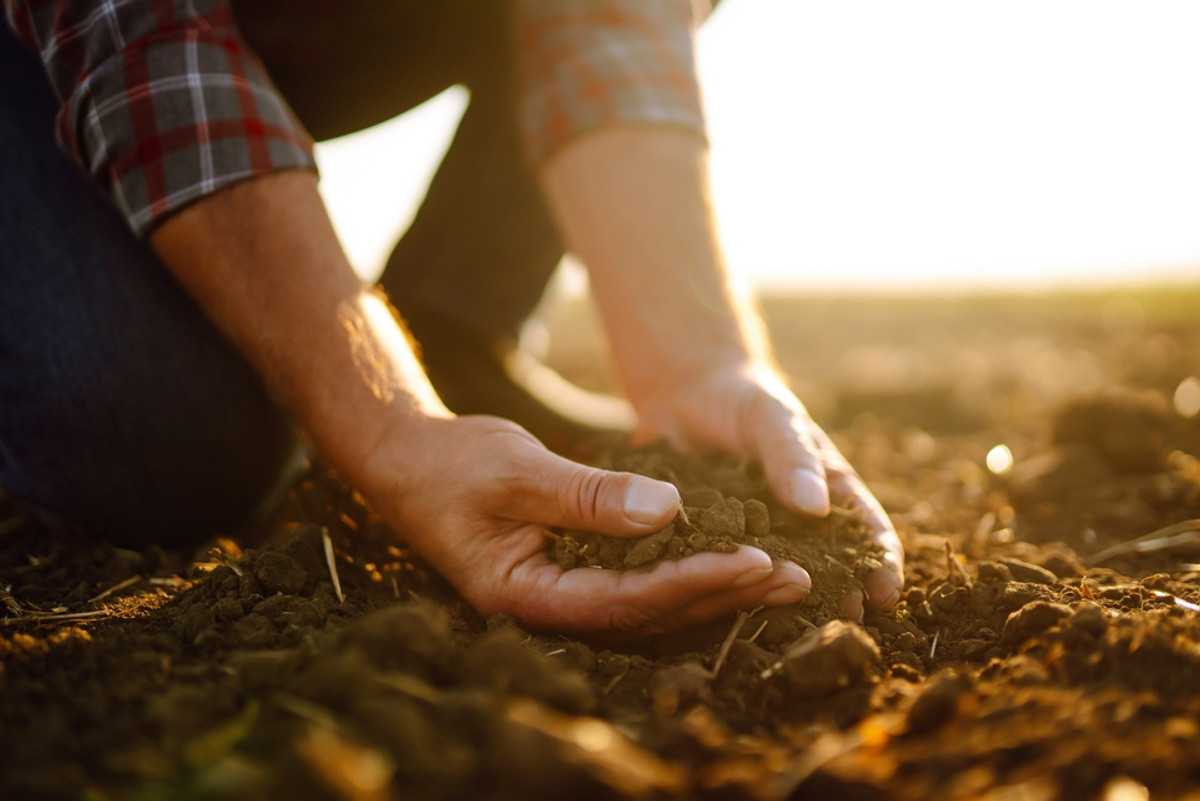
Ethics in soil sampling encompass much more than the simple act of collecting soil. Inadequate or careless practices can lead to environmental harm, compromised data integrity, strained stakeholder relationships, and potential regulatory violations. Whether assessing contamination levels or analyzing soil fertility, ethical sampling requires a commitment to fairness, transparency, and accountability.
This guide explores how professionals can balance scientific integrity with environmental and legal responsibilities. We’ll outline seven ethical concerns in soil sampling practices and offer practical insights for environmental scientists, agricultural specialists, and others involved in land and soil management.
1. Environmental Impact
Unethical sampling methods can degrade soil health, introduce contaminants, and disrupt ecosystems. Oversampling or poor site planning may cause erosion and compaction, making soil unsuitable for agriculture or restoration.
Sampling in areas exposed to industrial pollutants or fertilizers presents additional challenges. For instance, areas affected by post-conflict explosives may harbor toxic residues like lead, zinc, and mercury. In such cases, minimizing environmental disruption and protecting both ecosystem and public health are paramount.
Ethical practitioners prioritize low-impact methods and strive to preserve the natural balance of the sample area.
2. Data Integrity
Reliable soil analysis begins with accurate, unbiased sampling. Errors in technique or documentation can compromise data, leading to flawed interpretations.
Using a soil core sampler tool across multiple locations and depths helps account for spatial variability. Adopting systematic patterns—such as a zigzag layout in fields—yields more representative results. Detailed records, consistent labeling, and proper sample storage are all essential for maintaining data integrity.
Following standardized protocols and avoiding shortcuts reinforces transparency and ensures that findings are valid and actionable.
3. Field Personnel Safety
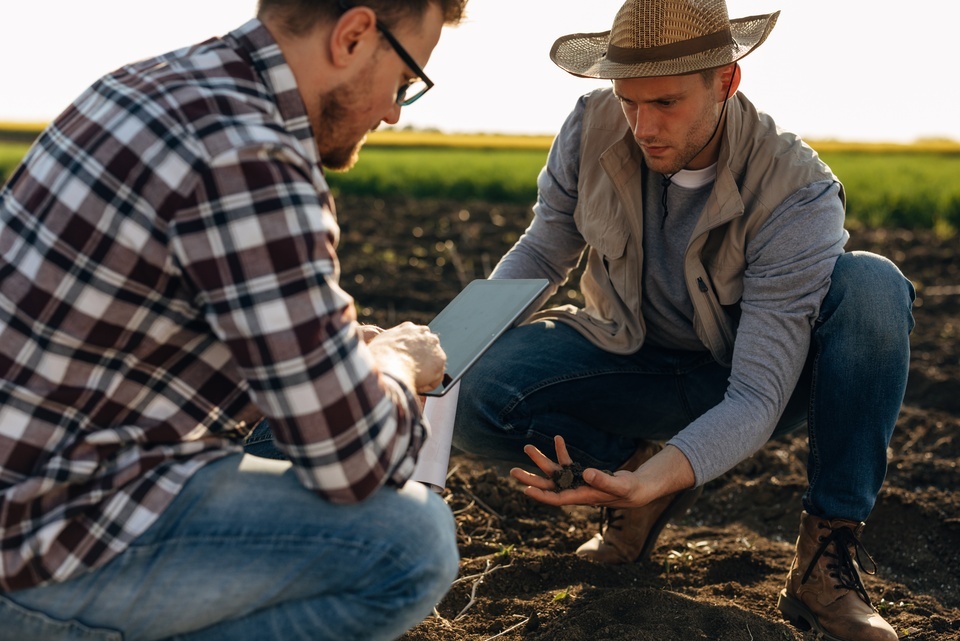
Fieldwork carries inherent risks, from physical hazards to exposure to contaminants. Ethical responsibility includes ensuring the safety of every team member.
This means providing appropriate training and personal protective equipment and following procedures like contacting utility location services (for example, 811 in the US) before excavation. Special care must be taken when working in confined spaces or contaminated zones.
Maintaining sample integrity during collection and transport—such as using sterile equipment and gloves—further protects both staff and sample quality.
4. Ethical Stakeholder Engagement
Ethical communication with stakeholders—farmers, landowners, or policymakers—requires clarity, empathy, and transparency. Results must be presented in an accessible, jargon-free manner that facilitates informed decision-making.
In sensitive environments, such as post-conflict regions, ethical engagement becomes even more important. Transparent reporting helps ensure that findings are used constructively, supporting the well-being of affected communities.
Trust is built through honest communication, respect for stakeholder concerns, and a commitment to shared goals.
5. Compliance and Legal Responsibility
Adhering to local, national, and international regulations is a core component of ethical soil sampling. Violations—such as improper waste disposal or ignoring contamination protocols—can result in serious consequences, including fines or legal action.
Professionals must stay informed about relevant standards, from EPA guidelines in the US to international protocols governing hazardous material. Implementing quality assurance practices helps ensure regulatory compliance and protects both the environment and organizational credibility.
6. Addressing Sampling Bias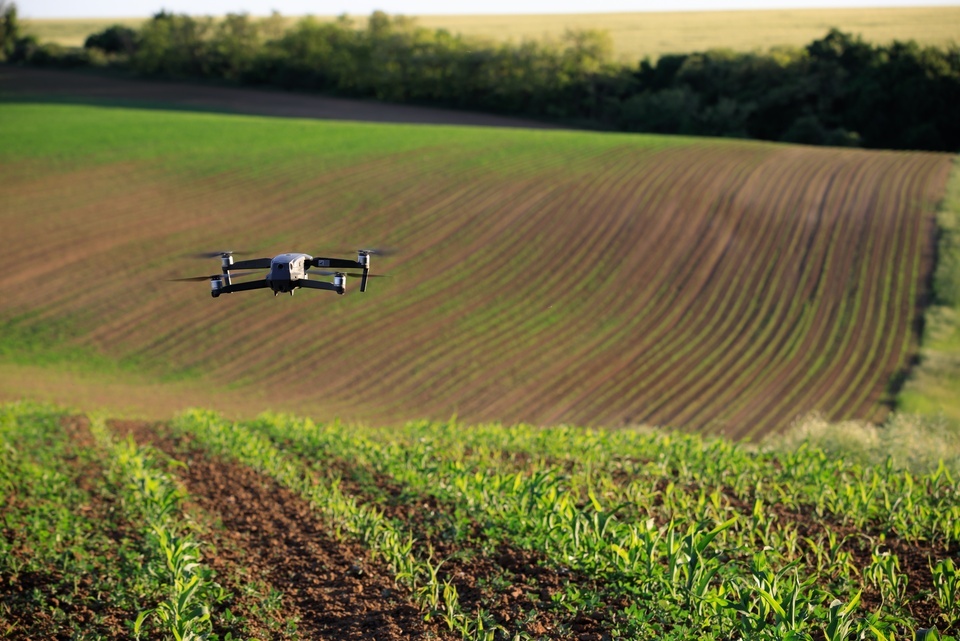
Bias, whether intentional or unconscious, can distort soil sampling results. Selecting sites to support expected outcomes or ignoring natural variability compromises scientific objectivity.
Ethical sampling requires impartial site selection, comprehensive field evaluations, and when appropriate, the use of data analysis tools (such as AI models) to ensure sample representativeness.
Maintaining neutrality throughout testing and analysis strengthens trust in the results and supports responsible land management decisions.
7. Sustainability as a Guiding Principle
Ethical sampling considers long-term environmental sustainability. This includes practices like restoring disturbed soil, reducing ecological disruption, and replanting native vegetation.
By aligning soil sampling activities with sustainability goals, practitioners support broader conservation efforts and safeguard soil health for future generations.
The Role of Ongoing Education
Continual learning is vital for ethical soil sampling. Staying current with research, evolving technologies, and updated best practices equips professionals to make informed, responsible decisions.
Resources, such as industry workshops, academic programs, and guidelines from organizations like the American Society of Agronomy and the Soil Science Society of America support ongoing professional development.
Building a Culture of Responsible Sampling
Understanding and applying ethical concerns in soil sampling practices enhances the quality, credibility, and impact of your work. From environmental stewardship to stakeholder trust and legal compliance, ethical practices form the foundation of sustainable, responsible sampling.
Since 1942, we have been a trusted leader in the sampling industry, providing high-quality tools for the agricultural, geotechnical, environmental, and groundwater sectors. Our high-performance tools, like the PowerProbe, offer versatile and cost-effective solutions for soil, gas, and groundwater sampling, as well as testing, monitoring, and remediation.
Our commitment to reliability, efficiency, and sustainability ensures that your soil sampling efforts are accurate and seamless. For reliable soil sampling equipment, trust us to deliver the tools you need.
Recent Posts
-
Soil Vapor Probe Installation Drive Tip Designs
 Precision matters in soil vapor intrusion investigations. The quality of the data shapes risk assess …February 26, 2026
 -
Bucket Auger Applications for High-Moisture Soils
 Geotechnical and environmental sampling brings unpredictable field conditions, and saturated soils c …January 16, 2026
 -
Why Sediment Sampling Is Important in Land Conservation
 When it comes to land conservation, the decisions we make today shape the future of our natural spac …January 12, 2026