
Bucket Auger Applications for High-Moisture Soils
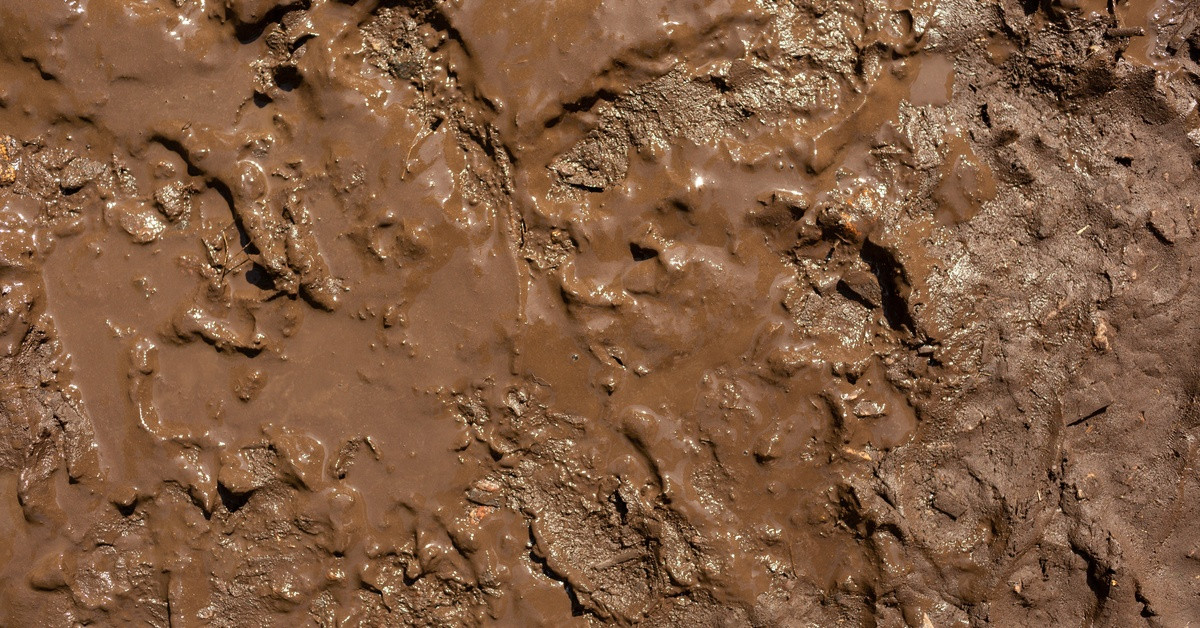
Geotechnical and environmental sampling brings unpredictable field conditions, and saturated soils consistently rank among the most challenging. Anyone who has attempted to extract a clean sample from a waterlogged borehole using a standard auger (flighted auger) knows how quickly the operation can fail. Soil slips away during retrieval, compromising both time and data quality. That's why we rely on bucket augers as essential tools when working in high-moisture environments.
Bucket augers take a different approach to wet soils. Instead of depending on friction between auger flights to retain material, they use a cylinder design to physically capture loose or saturated soil. The design functions like a sealed chamber, allowing samples to remain inside the cylinder even when the ground approaches slurry consistency. When they’re used correctly, bucket augers improve recovery rates and support higher-quality laboratory results, making them a critical part of a well-selected set of soil sampling tools.
Why High-Moisture Soils Challenge Flighted Augers
Flighted augers rely on soil cohesion and friction along the flights to move material upward during extraction. In high-moisture conditions, those mechanisms become unreliable as elevated water content reduces shear strength and soil structure.
As material separates from the flights, soil and water migrate back into the borehole before the auger reaches the surface. This limits sample recovery and can disturb borehole walls, reducing stratigraphic clarity. Bucket augers avoid these issues by capturing material inside a contained cylinder during drilling, allowing samples to be recovered intact despite saturated conditions.
Choosing the Best Bucket Auger for Wet Soils
Not every bucket auger performs the same in wet conditions. While both mud augers and sand augers are designed for high-moisture environments, their features address different soil behaviors. Selecting the right style improves recovery, limits cross-contamination, and supports accurate subsurface characterization.
Mud augers feature a cylinder design that allows wet or saturated soils to enter and release efficiently. Dual openings in the cylinder wall support fast emptying at the surface, while widely spaced cutting bits reduce resistance when advancing through sticky materials. Loose or unconsolidated soils, by contrast, require sand augers with a closed-bit design and restricted opening to help retain samples during extraction. Cutting bit edges meet near the midpoint, improving reliability when advancing through non-cohesive materials.
Managing High-Torque Conditions in Saturated Soils
Saturated soils introduce additional challenges, including increased weight and strong suction forces at depth. Under these conditions, standard bucket augers may twist or bend when subjected to high-torque drilling loads, slowing progress and increasing strain on the auger.
Reinforced mud bucket augers are better suited for these environments. These heavy-duty adaptations of standard bucket augers incorporate additional gussets at the auger head to increase structural strength. The reinforced design helps maintain alignment and structural integrity during high-torque drilling, allowing boreholes to advance more consistently in difficult conditions.
Keeping Boreholes Stable in Wet Zones
High-moisture soils increase the risk of borehole collapse. Elevated pore water pressure causes the surrounding material to move inward as soil is removed, leading to sloughing and sample contamination.
Bucket augers help stabilize boreholes by containing soil during extraction rather than dragging it along the borehole wall. This controlled removal minimizes disturbance and helps preserve stratigraphy, resulting in more representative samples and improved confidence in subsurface data.
Reaching the Water Table for Well Installation
Advancing through saturated zones is often the first step in groundwater monitoring work. Bucket augers perform well in soft, wet ground, allowing operators to drill cleanly down to the water table for temporary piezometer or monitoring well installation.
Because bucket augers reduce borehole wall smearing and preserve formation structure, they support more reliable hydraulic conductivity measurements and groundwater sampling results. Cleaner boreholes also improve screen placement and well development, contributing to higher-quality monitoring data.
Preserving Sample Quality for the Lab
Lab results are only as good as the samples collected in the field. If wet or loose soils wash out, mix with sloughed material, or lose depth integrity, analytical data can be compromised.
Bucket augers support discrete interval sampling. Lower the tool to the target depth, fill the cylinder, and extract vertically with minimal disturbance. This approach reduces mixing and preserves true lithologic and contaminant boundaries, helping ensure samples remain representative from field collection through laboratory analysis.
Cleaning Bucket Augers Quickly in Sticky Soils
High-moisture soils adhere aggressively to sampling equipment, making thorough decontamination between boreholes essential. Proper cleaning prevents cross-contamination and helps maintain data reliability. Using brushes and rinse water to remove adhered material after each sample helps maintain consistent performance and extends equipment service life.
Ensuring Durability in Wet and Abrasive Soils
Saturated environments accelerate tool wear. Wet sands increase abrasion, while prolonged exposure to water can promote corrosion if materials aren’t properly cared for. Reinforced stainless steel bucket augers are well-suited for environmental sampling applications, combining added structural support with materials that withstand repeated cleaning and decontamination.
Effective Sampling in Challenging Conditions
Recovering reliable samples from saturated soils requires the right equipment and proper technique. Flighted augers struggle to maintain sample integrity in muddy or fully saturated conditions. Bucket augers—whether designed for mud, sand, or reinforced applications—address suction, collapse, and recovery challenges that cause other sampling methods to fail.
For agricultural, geotechnical, or environmental investigations that depend on dependable data, proper sampling methodology is critical. When equipment selection aligns with soil behavior, projects stay on schedule and results consistently meet technical and regulatory expectations.
If you're facing high-moisture soils and need guidance on selecting the right equipment, contact us today. Our team understands the challenges of saturated environments and can help you choose tools that improve both sample quality and field efficiency.
Recent Posts
-
Soil Vapor Probe Installation Drive Tip Designs
 Precision matters in soil vapor intrusion investigations. The quality of the data shapes risk assess …February 26, 2026
 -
Bucket Auger Applications for High-Moisture Soils
 Geotechnical and environmental sampling brings unpredictable field conditions, and saturated soils c …January 16, 2026
 -
Why Sediment Sampling Is Important in Land Conservation
 When it comes to land conservation, the decisions we make today shape the future of our natural spac …January 12, 2026