
Dredge Samplers for Unconsolidated Sediment Collection
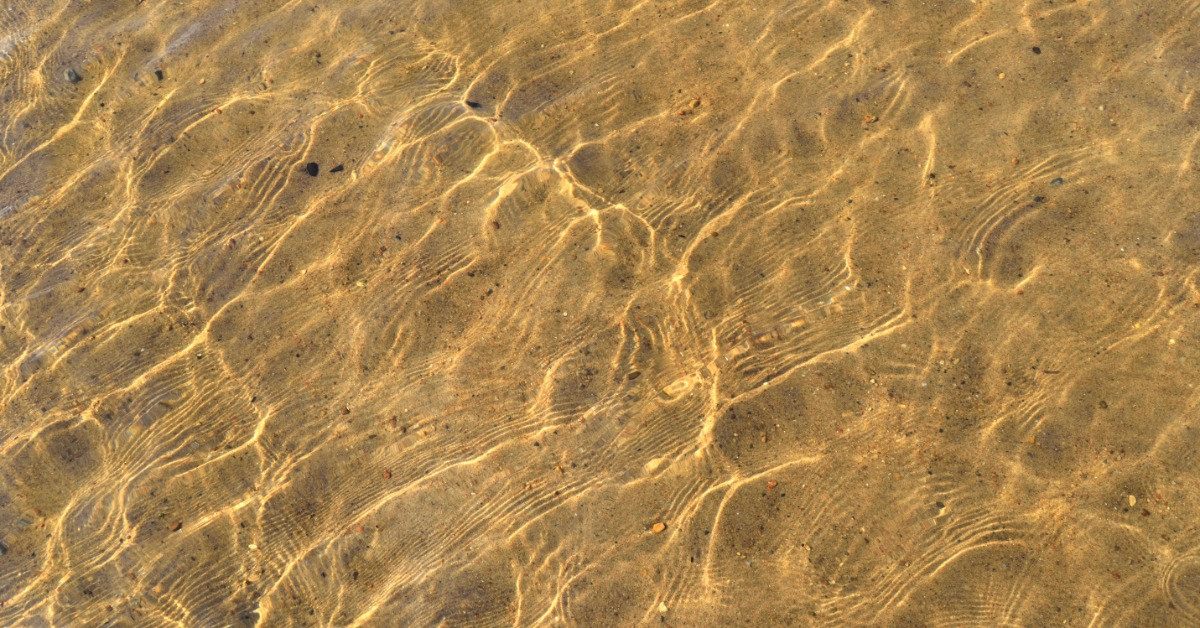
When working in lakes, rivers, wetlands, and nearshore coastal zones, collecting reliable bottom sediment samples requires precision. Soft, unconsolidated sediments don't behave like compacted soils, and they require equipment designed specifically for surface recovery. Dredge samplers for unconsolidated sediment collection provide the control needed to retrieve small sediment samples from the bed without disturbing the site or compromising data integrity.
In environmental research and water quality monitoring, handheld dredges such as Van Veen grabs and Ekman dredges (or Ekman grabs) remain essential. These compact, field-ready tools function as reliable sediment dredge samplers, supporting freshwater and coastal studies where accurate bottom characterization matters.
Understanding Why Surface Sediment Sampling Matters
Unconsolidated sediment includes sands, silts, and soft organic deposits that settle at the bottom of aquatic systems. The upper few centimeters often contain the most recent record of nutrient loading, contaminant deposition, and biological activity. Disturbing that layer during collection can compromise the quality of the data.
Surface sediment plays an important role in contamination monitoring and benthic habitat assessment. Metals, hydrocarbons, and nutrients frequently bind to fine particles and accumulate at the sediment-water interface. Accurate sampling helps researchers understand not only what contaminants are present but also how they may influence water quality and aquatic ecosystems.
Because of these sensitivities, researchers rely on purpose-built sediment sampling equipment that captures defined volumes of bottom material. Handheld dredges help collect representative samples while minimizing unnecessary disturbance to surrounding sediments.
In many monitoring programs, sediment data is paired with surface water sampling to provide a more complete understanding of site conditions. While water samples often reflect current dissolved-phase concentrations, sediment frequently reflects longer-term accumulation. This distinction is especially important in lakes and reservoirs where contaminants may settle and persist in bottom material even after upstream inputs decline.
Examining How Van Veen and Ekman Dredges Operate
Both Van Veen and Ekman dredges are designed to close around sediment at depth. While similar in purpose, each uses a slightly different triggering mechanism to accommodate varying field conditions.
Van Veen grab samplers use opposing jaws that remain open during descent. When the dredge contacts the sediment bed, the spring-loaded release mechanism activates, and the jaws close to retain the sample inside the bucket assembly. This design performs well when collecting sandy, silty, or muddy sediments.
Ekman dredges are also used to collect sandy, silty, or muddy sediments in aquatic environments, particularly in calm water conditions. After the sampler reaches the bottom, a messenger weight sent down the line activates the spring-loaded hooks, closing the jaws simultaneously and retaining the sample.
These dredges are lightweight field tools designed for environmental professionals conducting water quality studies, contamination monitoring, and benthic ecology assessments. They aren’t intended for bulk sediment removal or excavation. Instead, they’re designed to collect defined surface samples suitable for laboratory analysis.
The footprint of each grab is also an important consideration. Dredges collect sediment from a defined surface area, which supports standardized sampling across multiple stations.
Supporting Water Quality and Contamination Monitoring
Sediment acts as both a sink and a potential source of contaminants. During monitoring programs, researchers collect bottom samples to evaluate historical deposition and assess ongoing inputs from upstream or adjacent land uses.
Common analyses performed on dredge-collected samples include metals, polycyclic aromatic hydrocarbons (PAHs), nutrient levels such as phosphorus, and total organic carbon to help evaluate organic matter content in sediment. In some projects, grain size distribution and moisture content are also measured to support interpretation of contaminant behavior.
Consistent sampling supports several important monitoring objectives:
- Trend analysis across multiple sampling events
- Comparison between reference and impacted sites
- Evaluation of remediation or management strategies
- Documentation for regulatory review
When sediment data supports regulatory or compliance decisions, defensible methodology becomes especially important. Selecting the appropriate dredge type and documenting field procedures strengthens the credibility of laboratory results.
Matching the tool to sediment conditions helps reduce sample loss, minimize washout, and improve repeatability across seasons and study phases.
Advancing Benthic Ecology and Habitat Assessment
Sediment sampling isn’t limited to chemical analysis. Benthic macroinvertebrates are widely used as indicators of ecological health, and proper sample collection directly influences the accuracy of biological assessments.
When retrieving samples for biological analysis, maintaining sediment structure is critical. A properly deployed dredge helps collect intact surface layers that reflect actual habitat conditions. Grain size, organic content, and invertebrate communities can then be evaluated with greater confidence.
Van Veen dredges often provide reliable performance in mixed or slightly coarser substrates. Ekman dredges are typically preferred in very soft, organic-rich environments where minimal disturbance is important. Selecting the appropriate dredge supports more accurate ecological interpretation.
In long-term monitoring programs, consistent grab sampling helps track shifts in species composition over time. Changes in benthic communities may signal nutrient enrichment, oxygen depletion, or contaminant stress.
Selecting the Right Dredge for Site Conditions
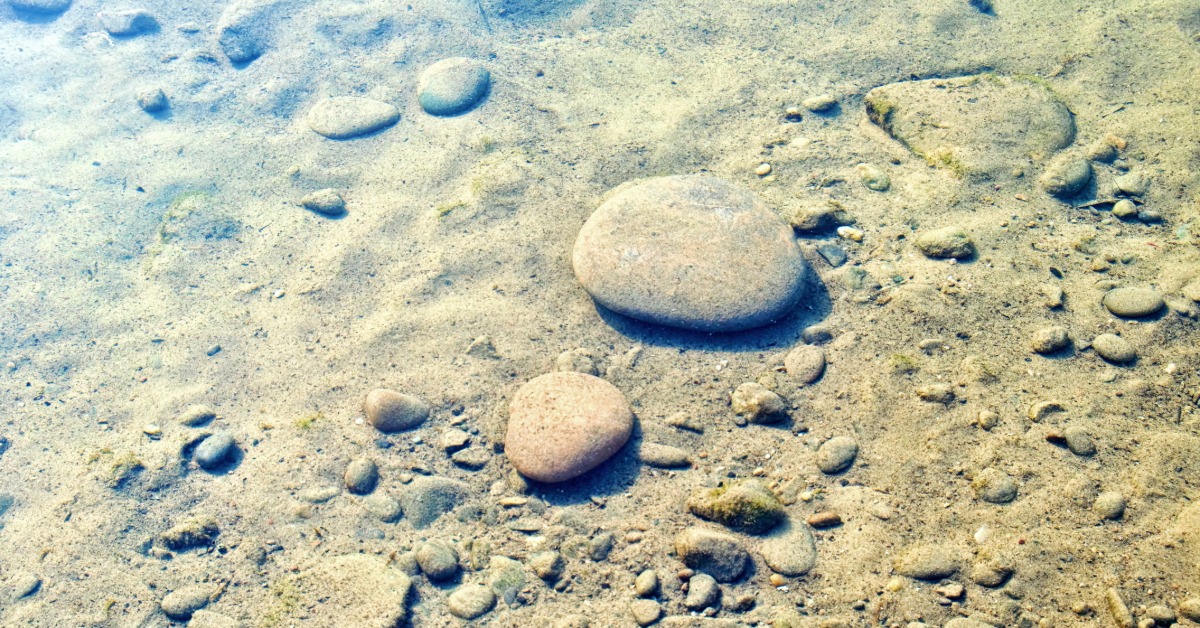
Choosing between a Van Veen and an Ekman dredge depends on sediment type, hydrodynamic conditions, and project objectives. Begin by evaluating the physical characteristics of the sediment at the sampling location.
In sandy or moderately compacted substrates, the stronger closing force of a Van Veen grab can improve sample recovery. Ekman dredges are also effective for collecting sandy, silty, or muddy sediments and are often used in calm water environments where messenger-triggered closure helps capture representative surface samples.
Analytical goals also influence equipment selection. If the focus is recent deposition or surface contamination, preserving the sediment-water interface becomes a priority. Aligning equipment selection with monitoring objectives helps maintain data quality and field efficiency.
Site access and deployment logistics should also be considered. In small boats or remote field locations, lightweight dredges simplify transport and setup. For shoreline sampling in shallow systems, handheld operation reduces the need for heavy support equipment while still delivering reliable results.
Maintaining Consistency in Field Deployment
Reliable sediment data depends on a consistent technique as well as appropriate equipment. Even with well-designed dredges, inconsistent deployment can affect sample integrity.
Focus on the following:
- Lowering the dredge steadily to avoid premature closure
- Confirming bottom contact before triggering the closure mechanism
- Retrieving the sampler vertically to reduce washout
- Verifying that the jaws fully closed and captured an adequate sample
Document the depth, location, and site conditions during each sampling event. Clear field records support long-term monitoring programs and help ensure results remain comparable over time.
Proper cleaning between stations is equally important, especially when monitoring for trace-level contaminants. Decontamination procedures reduce cross-contamination risk and help preserve the defensibility of laboratory data.
Combining durable equipment with disciplined field procedures improves the reliability of both chemical and biological assessments.
Why Dredge Samplers Remain Essential for Aquatic Monitoring
Dredge samplers for unconsolidated sediment collection remain central to freshwater and coastal research because they're purpose-built for surface recovery in environmental monitoring applications. They allow researchers to collect manageable, laboratory-ready samples without large-scale disturbance or unnecessary alteration of the site.
For environmental scientists, water quality researchers, and monitoring professionals, handheld Van Veen and Ekman dredges provide a practical balance of portability, durability, and precision. Equipment selections that align with sediment conditions and project goals provide clearer insights into ecosystem health and contaminant dynamics.
If you're planning a lake, river, wetland, or coastal monitoring project and need guidance on selecting the right dredge sampler, we're ready to help. Comparing Van Veen and Ekman dredge options can help ensure the right tool is used for the sediment conditions and project goals, supporting reliable sediment collecting in demanding research environments.
Recent Posts
-
Achieving High Core Recovery in Soft Sediment Sampling
 Soft sediment may appear easy to penetrate, but recovering an intact core can be difficult. High wat …August 18, 2026
 -
An Overview of Low-Flow and Passive Water Samplers
 Groundwater sampling decisions shape the quality of data that geotechnical and environmental profess …July 27, 2026
 -
A Look at SPT vs. CPT Soil Testing Differences
 Subsurface testing shapes decisions long before fieldwork or site development moves forward. Standar …July 09, 2026