
Selecting Soil Sampling Tools for Contaminated Site Work
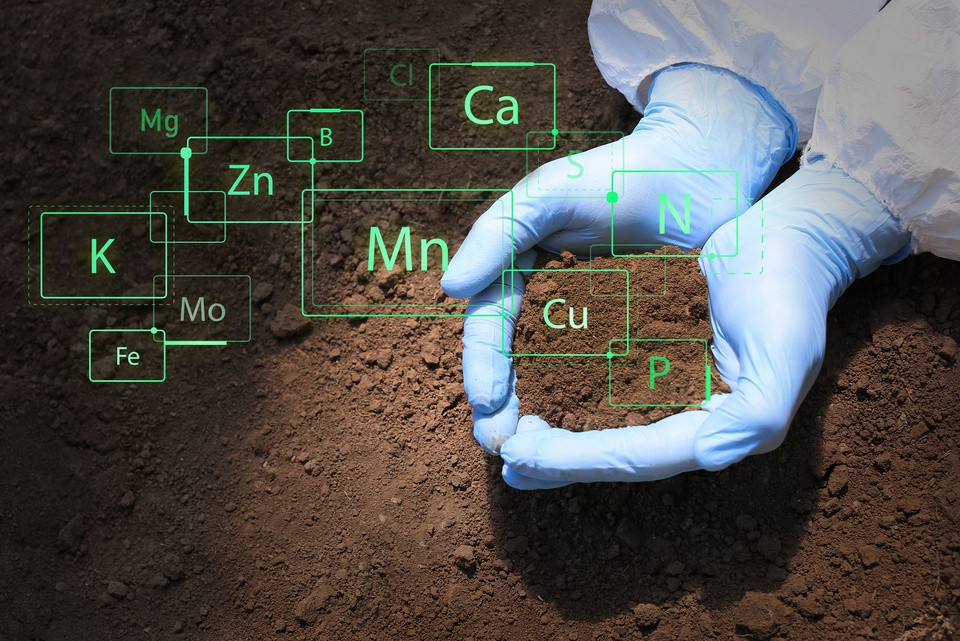
Selecting the right tools for contaminated site work lays the groundwork for valid data and successful remediation. Selecting soil sampling tools for contaminated site work is a critical component of every project, shaping data accuracy, defensibility, and the ability to meet both schedules and budgets.
Effective sampling starts by recognizing that a generic or familiar tool isn’t the answer. Site geology, contaminant profiles, and specific data quality objectives each play a major role in equipment selection, and every decision influences downstream results. Choosing the right solution from the start reduces the need for repeat sampling, accelerates risk assessment, and streamlines the path to informed site remediation.
Start by Defining Project Objectives
Clear project objectives direct the sampling approach from the beginning. An initial site screening may focus on identifying the presence and general extent of hazards, while plume delineation or risk assessment requires more detailed and targeted data.
For broad assessments, discrete grab samples provide a quick overview. In contrast, detailed risk analyses require higher-resolution data to model contaminant transport or define remediation boundaries. Equipment and methods should always match the project's required data quality and resolution.
Match Tools to Contaminants of Concern
Contaminant chemistry directly influences equipment selection. For example, volatile organic compounds (VOCs) require low-disturbance, closed-system samplers to prevent volatilization and data loss. Traditional soil or bucket augers aren’t suitable for these sensitive samples.
Closed-system samplers or sealed sleeves maintain sample integrity for VOC analysis. For heavy metals or semi-volatile organic compounds (SVOCs), the range of acceptable tools broadens because these contaminants are less sensitive to disturbance. Selecting equipment based on contaminant behavior ensures meaningful and representative results.
Consider Local Geology and Soil Structure
Field conditions, particularly soil type, affect tool performance and accessibility. Loose sand, cohesive clay, gravel, or rock each requires a different approach. Soil core samplers and split soil core samplers work well in soft or cohesive soils, yielding relatively undisturbed core samples. In denser or more compacted formations, direct push technology (DPT) offers faster sampling and the force needed for tough advancement.
Matching tools to local geology supports sample integrity, access to target depths, and reliable recovery.
Adjust for Required Sampling Depth
Impacted soil isn’t always near the surface. For shallow investigations, soil probes or bucket augers provide straightforward and cost-effective options. These tools work well for high-density sampling in surface or near-surface horizons.
Deeper contamination requires advanced equipment, such as DPT drill rigs or conventional drill rigs, to access subsurface intervals and migration pathways. Site access, target depth, and the thickness of the contaminant zone guide the selection of appropriate technology for each situation.
Maintain Sample Integrity by Preventing Cross-Contamination
Cross-contamination during collection is a major threat to data validity. Preventing contact between soil from different depths or locations is essential. Modern samplers featuring single-use liners help keep the sample isolated and minimize exposure to other surfaces. Dual tube sampling with DPT can also help prevent cross-contamination by isolating the sample path from the drive rod during advancement.
Rigorous decontamination procedures for all reusable gear between samples further protect against cross-contamination and preserve defensible data.
Select Tools Based on Required Sample Volume
Laboratories specify minimum sample volumes for different analyses. Aligning sampler capacity with these requirements prevents insufficient submissions and avoids the cost of repeat sampling.
- Standard chemical analysis often requires 3.53–17.64 oz (100-500 g) of soil.
- VOC analysis requires discrete, sealed samples to ensure analytical accuracy.
- Geotechnical analysis needs larger, undisturbed volumes for bulk density or permeability testing.
Coordinating with the analytical laboratory before fieldwork clarifies expectations and maximizes efficiency.
Use Tools That Preserve Soil Structure
When soil structure and in situ properties matter, such as for geotechnical testing or non-aqueous phase liquid (NAPL) delineation, the importance of minimal disturbance rises. Equipment designed to reduce compaction or smearing supports a more accurate characterization of physical and chemical attributes.
Choosing low-disturbance tools helps ensure higher data integrity, providing essential insights for both modeling and remediation design.
Evaluate the Benefits of Sample Liners
Using liners inside sampling equipment offers clear benefits for contaminated site work. Liners made from clean, inert materials isolate cores from the sampler, simplify handling, and reduce exposure or contamination risks.
Caps, labels, and storage procedures become more streamlined, which is especially helpful during large-scale projects that require high sample throughput. Liners support consistent field operations and efficient transfers to the laboratory, contributing to overall project reliability.
Combine Equipment When Necessary
No single tool meets every need on a complex site. Effective sampling programs rely on a combination of technologies and methods to address different site conditions and project objectives. Hand augers efficiently collect shallow samples, while direct push drill rigs provide access to deeper intervals or enable continuous core retrieval. High-concern areas may require specialized VOC-sampling technology.
Using a variety of soil sampling collection tools lets field teams adapt quickly when they encounter variable conditions, supporting comprehensive investigations and defensible results.
A well-rounded sampling program may also require alternate sample types at different intervals, depending on changing subsurface conditions. For example, a project may start with grid-based shallow augering to identify hot spots, followed by a focused DPT approach for vertical delineation in high-risk areas. At sites with highly stratified soils, switching between direct push dual tube systems and rotary drill rigs may be necessary to capture changing textures or overcome obstacles like fill material or large cobbles.
Flexibility in equipment deployment allows teams to respond efficiently to unexpected challenges, such as fluctuating water tables or compacted layers discovered during fieldwork. Keeping backup options available, along with the ability to consult experienced technical staff, supports real-time decision-making that preserves both data quality and project momentum.

Prioritize Safety, Ergonomics, and Workflow
Protecting field personnel is integral to equipment selection. Ergonomic, easy-to-use tools reduce stress, lower physical risks, and support work in diverse environments. Choosing field-ready equipment contributes to safer workflows, minimizes downtime, and helps improve data collection efficiency.
Well-planned tool selection reduces delays, boosts productivity, and maintains project momentum from investigation through remediation.
The Impact of Equipment on Sampling Accuracy
Reliable environmental data begins with sound sampling practices. Selecting soil sampling tools for contaminated site work isn’t a one-size-fits-all process. The best outcomes come from aligning equipment with project goals, contaminant profiles, and site-specific conditions. Prioritizing safety, workflow, and data quality helps produce high-integrity samples that support confident decision-making as the project progresses from assessment through remediation.
Careful documentation of the reasoning behind tool choices, supported by field logs and technical justification, strengthens final data deliverables. Project teams can support regulatory review processes by demonstrating how each tool met the required protocols for sample integrity, depth accuracy, and contaminant containment. This approach establishes a transparent link between field strategies and analytical results. By relying on durable, field-tested tools from us, teams can approach each phase of contaminated site work with confidence and consistency.
Recent Posts
-
Soil Vapor Probe Installation Drive Tip Designs
 Precision matters in soil vapor intrusion investigations. The quality of the data shapes risk assess …February 26, 2026
 -
Bucket Auger Applications for High-Moisture Soils
 Geotechnical and environmental sampling brings unpredictable field conditions, and saturated soils c …January 16, 2026
 -
Why Sediment Sampling Is Important in Land Conservation
 When it comes to land conservation, the decisions we make today shape the future of our natural spac …January 12, 2026