
Achieving High Core Recovery in Soft Sediment Sampling
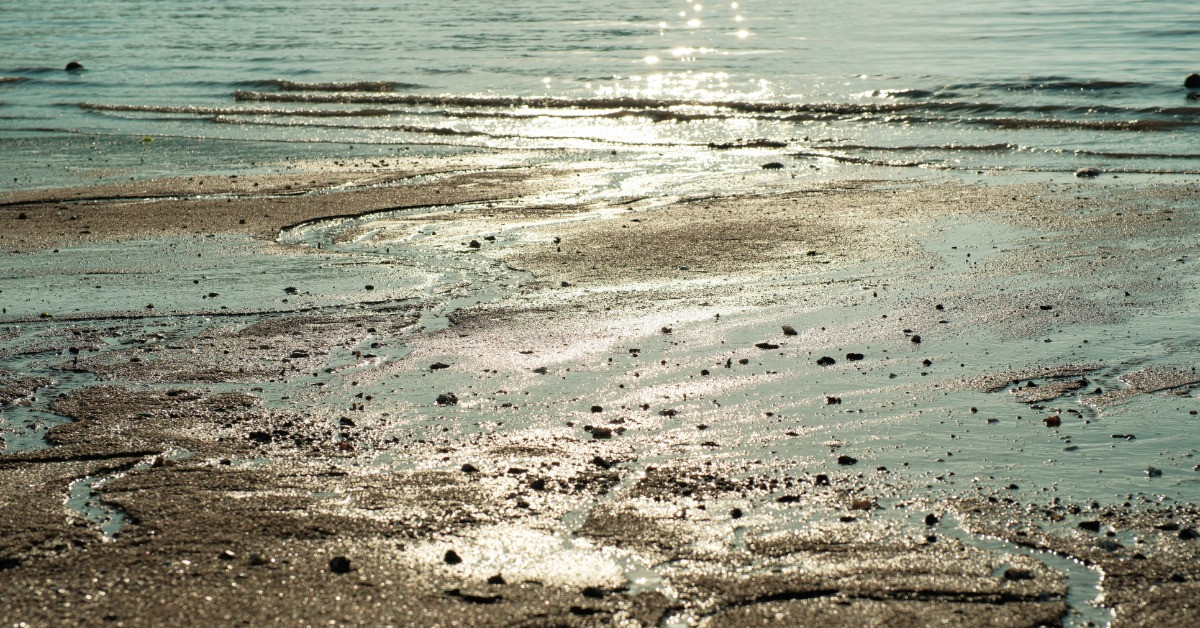
Soft sediment may appear easy to penetrate, but recovering an intact core can be difficult. High water content and weak structure allow material to compress, drain, or slide from the sampler during retrieval. Achieving high core recovery in soft sediment sampling depends on matching the equipment to the deposit and maintaining control throughout collection.
Approaching recovery as a complete workflow rather than a single equipment decision helps protect more of the original sediment profile. Field teams gain clearer observations, and laboratories receive samples that better represent the target interval.
Understanding Why Soft Sediment Cores Fail
Soft sediment has limited internal strength. As a sampler enters the deposit, pore water and trapped air must leave while material moves into the sampler body and liner. Restricted flow can create pressure that pushes sediment away from the opening.
Recovery can also decline during retrieval. A weak core may slump or drop from the liner when the sampler changes direction. Fine sediment can wash out around the tip, while organic-rich material may smear along the liner and obscure layer boundaries.
A full penetration interval doesn’t guarantee a full core. Material can compress inside the liner or escape before the sampler reaches the surface. Compare the recovered core length with the penetration depth and record visible compression or washout.
Selecting a Sampler for the Sediment Condition
Sampler selection begins with how the deposit behaves in place. Very soft sludge may require a different tip than saturated silt or loose sand.
Core samplers are useful when a project requires a vertical profile rather than a surface grab. Our sludge and sediment core samplers can be configured with sludge core or sludge auger tips, with or without a valve, to suit different sediment conditions. Extensions are used to reach deeper sampling intervals, while multi-stage systems extend the sampler body when a longer core is required.
Before mobilization, confirm that the complete assembly is compatible. The slide hammer, cross handle, extensions, and sampler components should all use the correct connection type, and the liner should fit the sampler body.
Key selection checks include:
- Select the appropriate sludge core or sludge auger tip, with or without a valve, for the material
- Choose a compatible sampler body and liner length
- Confirm compatibility among the liner, core catcher, and end caps
- Verify that the slide hammer, cross handle, extensions, and sampler components use the correct connection type
- Plan for water depth and controlled retrieval at the work area
Managing Entry Into the Sediment
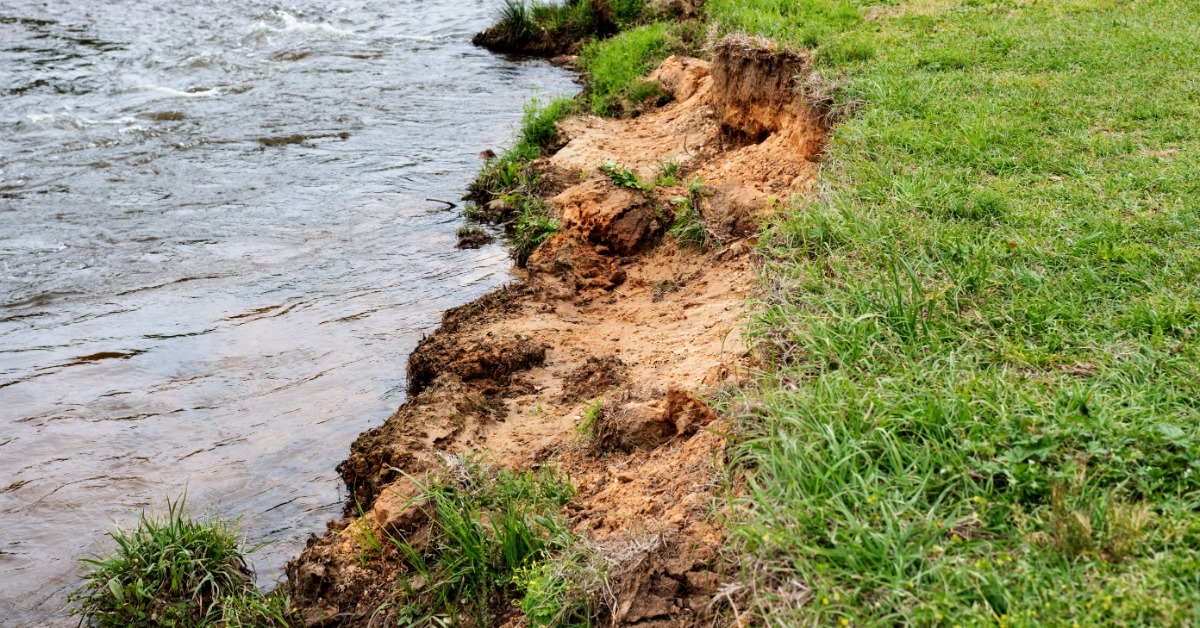
A controlled entry helps sediment move into the liner with less disturbance. Driving too quickly can create excess pressure and push the upper layer aside. It may also compress the core before the material is retained.
Currents or movement at the work area can tilt the sampler and alter its path. Keep the assembly as vertical as conditions allow and apply steady force through the target interval.
Venting is especially important in saturated material. A flap-valve cap allows displaced air and water to leave as sediment enters the liner. During retrieval, the flap closes and helps create suction that supports retention.
Controlling Penetration and Compression
More penetration doesn’t always produce more usable core. When the sampler is driven beyond the capacity of its body and liner, lower sediment can compress while upper material plugs the assembly. The recovered core may look complete even though the sampled interval has been compressed.
Match the penetration depth to the available liner capacity. The expected behavior of the deposit should also be considered. If resistance changes sharply, stop and evaluate the sampling conditions before continuing.
Achieving high core recovery in soft sediment sampling also means recognizing changes within the deposit. A transition from loose organic material to denser silt may call for a shorter drive or a different tip.
Consistent technique also improves comparisons between locations. Similar advancement force and retrieval speed make recovery results easier to interpret. When field conditions require an adjustment, record it in the sampling log.
Protecting the Core During Retrieval
Retrieval should be smooth and vertical. Jerking the sampler can break suction or disrupt the core catcher. A sudden change in direction may also cause a soft core to separate inside the liner.
Pausing at the sediment-water interface can allow loose material to wash from the opening. Maintain controlled upward movement until the sampler reaches the work surface. The assembly should then be stabilized before its components are separated.
The plastic core catcher and flap-valve cap help retain the sample. Sediment passes through the core catcher during entry. During retrieval, the material presses the catcher closed while the flap-valve cap helps maintain suction.
Once the sampler is secure, prepare the end caps so the core can be capped immediately after the liner is removed.
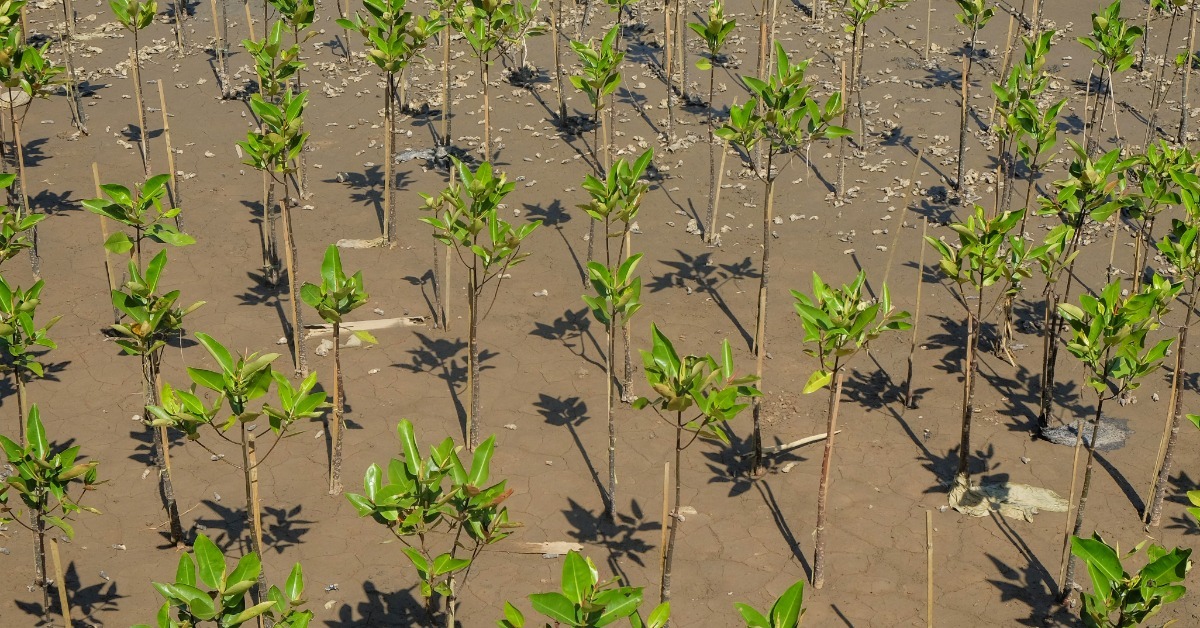
Preserving Sample Quality After Recovery
Field teams should follow the project sampling plan for extrusion and sectioning. Preservation requirements and storage conditions should also be confirmed before collection begins.
Documentation should capture the core before subsampling. Record recovered length and apparent compression, then note visible boundaries or washout. Photographs can support the field log when project procedures permit them.
Cleaning affects the next sample as well. Sediment left inside the tip or core catcher can restrict movement and introduce carryover. Clean the sample-contact components between locations according to project decontamination requirements.
Verifying Recovery Before Leaving the Site
Recovery should be checked while another attempt is still possible. Compare the recovered core length with the penetration depth and inspect both ends of the liner. If full core recovery isn’t achieved, another attempt using a different penetration depth may be appropriate.
The right sludge and sediment sampling tools support this process by combining controlled entry with liner-based handling. Our catalog includes a variety of sludge and sediment sampling equipment.
Building a More Reliable Recovery Workflow
High recovery comes from a sequence of sound decisions. Match the sampler to the sediment and control advancement through the target interval. Then retrieve the assembly carefully and handle the liner with care.
Clear field notes show whether the recovered interval meets the project’s analytical needs. When soft sediment conditions make equipment selection uncertain, contact us for expert technical support. We can help review the sampler and its connection compatibility while identifying suitable liners, tips, and replacement parts to keep the field setup reliable and ready for demanding sediment sampling work.
Recent Posts
-
Achieving High Core Recovery in Soft Sediment Sampling
 Soft sediment may appear easy to penetrate, but recovering an intact core can be difficult. High wat …August 18, 2026
 -
An Overview of Low-Flow and Passive Water Samplers
 Groundwater sampling decisions shape the quality of data that geotechnical and environmental profess …July 27, 2026
 -
A Look at SPT vs. CPT Soil Testing Differences
 Subsurface testing shapes decisions long before fieldwork or site development moves forward. Standar …July 09, 2026