
Sludge Sampling Equipment for High-Viscosity Materials
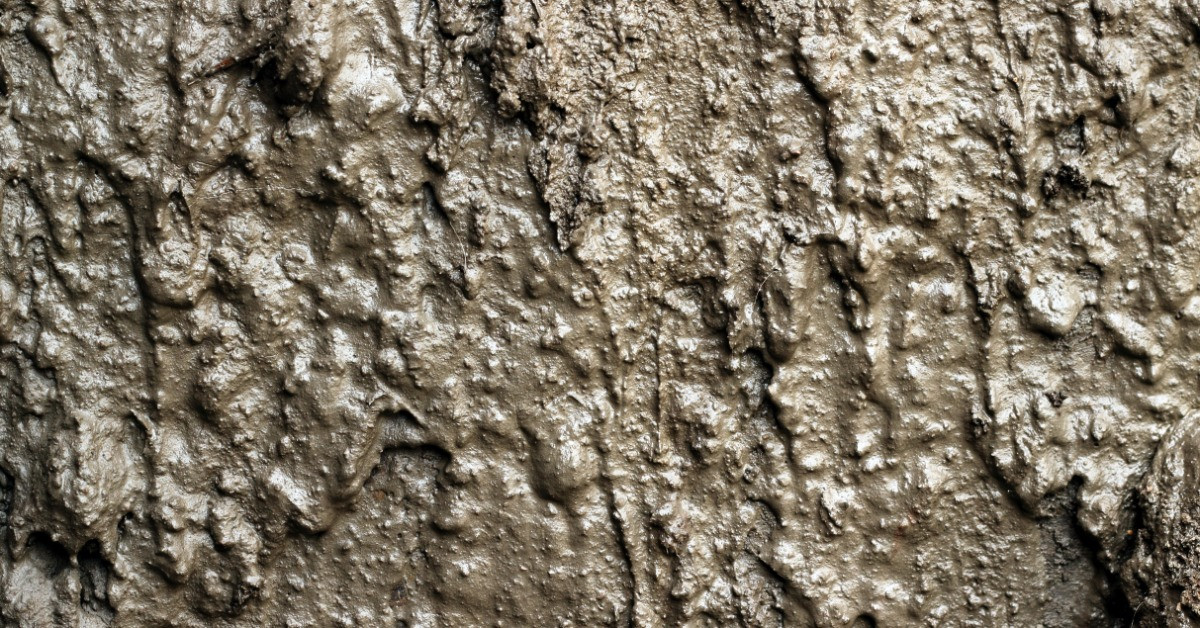
Working with dense, sticky materials brings a different set of challenges than standard soil or groundwater sampling. Sludge sampling equipment for high-viscosity materials must handle resistance, adhesion, and weight without compromising sample integrity. Whether we’re dealing with wastewater byproducts or petroleum sludge, the tools you choose directly affect data quality and field efficiency. When equipment aligns with material behavior, recovery is more consistent and fieldwork stays on schedule.
Understanding Challenges of High-Viscosity Sludge
High-viscosity materials behave very differently from loose soils or liquids. Instead of flowing or breaking apart easily, sludge resists movement and tends to cling to sampling tools. This creates complications during both insertion and retrieval, especially when sampling from pits, tanks, lagoons, or other difficult-to-access locations.
As viscosity increases, resistance on the sampler also increases. Suction and drag become more pronounced, making extraction more difficult. Adhesion adds another layer of difficulty, causing material to stick to tool surfaces rather than settling cleanly into the sample chamber.
Temperature fluctuations also affect viscosity behavior in the field. Cold conditions can significantly thicken sludge, while warmer temperatures may reduce drag but increase flowability. Particle size distribution within the sludge further complicates sampling, as larger solids can obstruct sampler openings or create uneven pressure during insertion and retrieval.
These conditions also increase the risk of sample disturbance. When sludge stretches or partially detaches during retrieval, it can affect representativeness. For regulated projects, this directly impacts analytical results and documentation.
Because of this, selecting sludge sampling equipment requires a deliberate, site-specific approach.
Evaluating Samplers That Improve Recovery
Tool design plays a central role in how effectively sludge can be collected and retained. For this type of work, sludge and sediment samplers, multi-stage sludge and sediment samplers, and a tank sludge sampling kit provide a practical starting point. These systems rely on controlled sample capture rather than depending on material cohesion.
Sludge and sediment samplers and multi-stage sludge and sediment samplers are especially useful when sample retention matters. Both use a liner inside the sampler body along with components such as a valved tip, core catcher, and flap valve cap to support sample recovery. Multi-stage configurations allow additional sampler sections to be connected for collecting larger samples. Core catchers help retain material during retrieval when necessary, reducing sample loss in saturated or slow-moving sludge.
A tank sludge sampling kit is another strong option for work in contained environments. Its valved tip allows material to enter during insertion and remain captured during extraction. That controlled movement makes it well-suited for dense or layered sludge conditions.
Material selection also influences long-term performance. Stainless steel components hold up well under repeated cleaning and exposure to wet, chemically active environments, supporting durability in demanding field conditions. Aluminum components also help keep the sampler and extension strand lightweight during deeper sampling operations.
Matching Equipment to Sludge Conditions
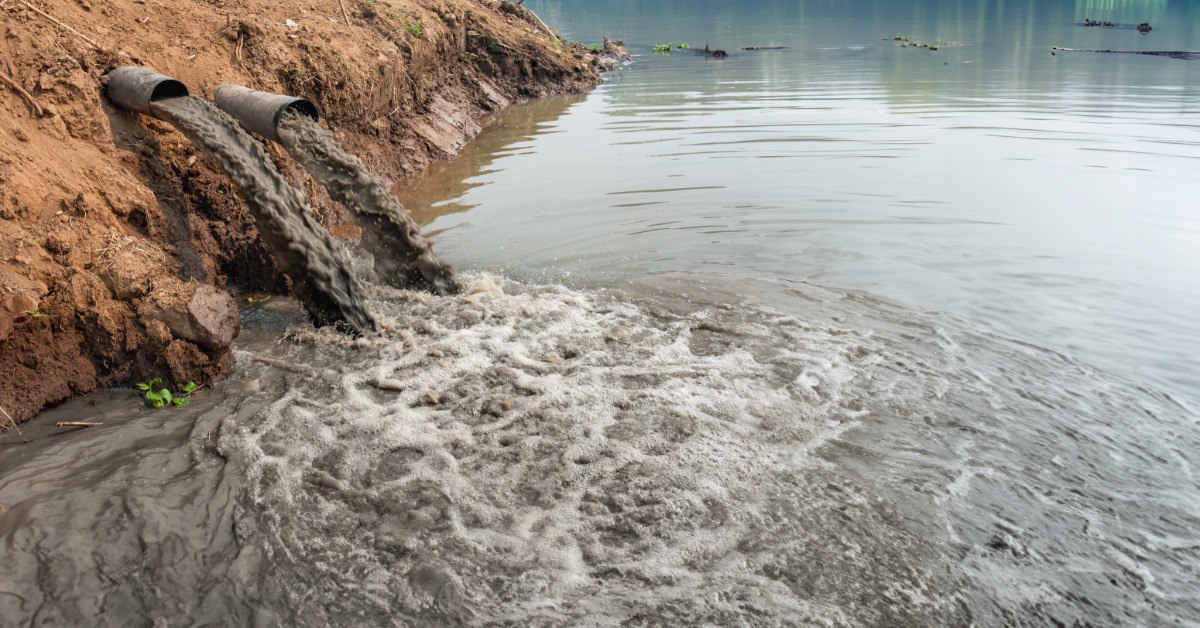
Not all sludge behaves the same, even within a single site. Differences in moisture and solids content can change how the material responds during sampling. Matching the equipment to those conditions helps maintain both efficiency and data quality.
When sampling at depth or in submerged conditions, sludge and sediment samplers and multi-stage sludge and sediment samplers provide flexibility. Both support controlled sample collection, while multi-stage configurations allow additional sampler sections to be connected for reaching target intervals. This is especially useful when conditions vary across depth zones.
In tanks, drums, or other contained environments with settled material, a tank sludge sampling kit provides a practical solution. Its valved tip supports controlled sample recovery from material that has compacted or separated over time, making it well-suited for wastewater systems, storage tanks, and other applications where consistent recovery is important. This is especially useful when access is limited or when sampling must be completed efficiently.
Maintaining Sample Integrity During Collection
High-viscosity sludge can easily distort during collection, which makes sample integrity a priority. Even minor disturbances can affect contaminant distribution or laboratory results.
Liners play an important role in maintaining that integrity. By isolating the sample from the sampler body, they reduce exposure during handling and simplify transfer to the lab. This helps preserve the original characteristics of the material from collection through analysis.
Valved tips, core catchers, and flap valve caps also support retention during extraction. These components help prevent material from slipping out of the sampler as it’s pulled to the surface. In high-viscosity conditions, that added control makes a noticeable difference.
Improving Field Efficiency in Demanding Conditions
Working with dense sludge can slow down field operations, but the right equipment and planning help keep work moving. Tools designed for these conditions reduce downtime and support more consistent workflows.
To improve field performance, we focus on a few practical steps:
- Use sludge and sediment samplers, multi-stage sludge and sediment samplers, or a tank sludge sampling kit when depth or containment matters.
- Plan for thorough cleaning between sampling locations.
- Keep replacement components available on-site.
These considerations become even more important when timelines are tight or when projects must meet regulatory deadlines. Reliable equipment supports steady progress without compromising sample quality.
Access to replacement parts also helps maintain momentum. Equipment wear increases when handling dense, abrasive material, so having parts available reduces the risk of delays in the field.
Supporting Compliance and Data Reliability
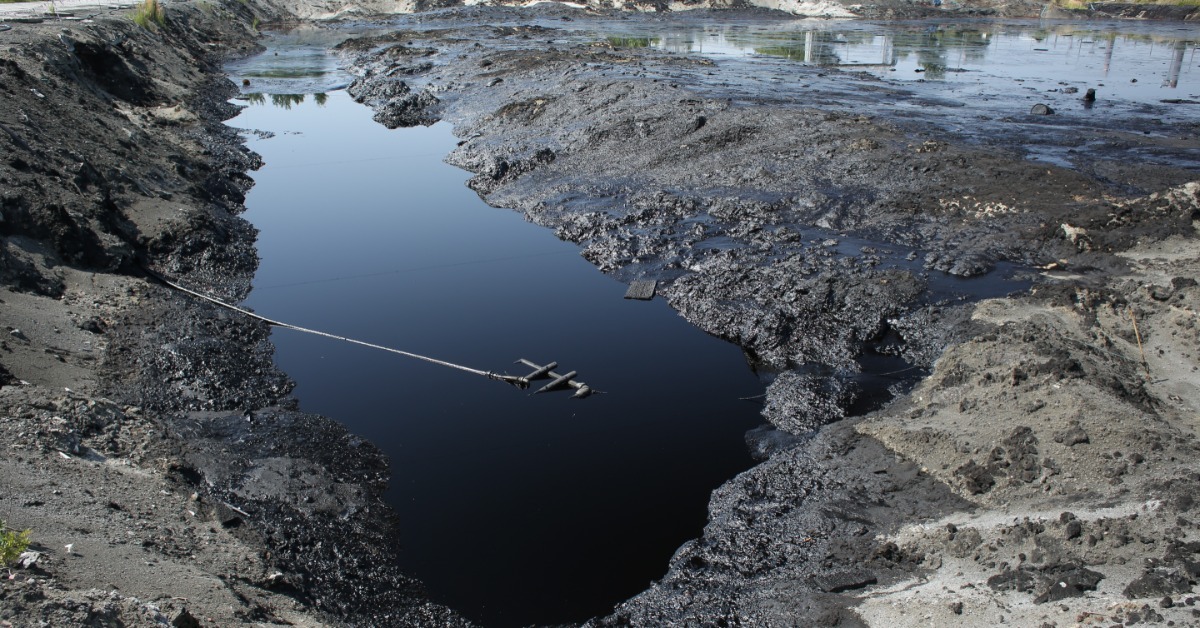
Accurate sampling is the foundation of defensible data. In environmental and industrial applications, sludge samples often support compliance work, remediation planning, or waste classification. That makes consistency and reliability essential.
Using equipment that matches site conditions helps ensure samples reflect actual material characteristics. When recovery is consistent, analytical results are easier to interpret and defend.
Clear documentation of sampling methods also supports compliance. Recording equipment type, sampling depth, and handling procedures provides transparency during audits and site reviews. This level of detail helps demonstrate that appropriate protocols were followed.
Reliable Sampling Starts With the Right Approach
Selecting sludge sampling equipment for high-viscosity materials is about more than handling difficult conditions. It’s about choosing tools that align with the material and the project requirements from the start. When equipment selection is intentional, sample integrity is maintained and fieldwork runs more smoothly.
High-viscosity sludge will always present challenges, but those challenges become easier to manage with the right combination of tools and planning. Sludge and sediment samplers, multi-stage sludge and sediment samplers, a tank sludge sampling kit, and replacement components all play a role in supporting a reliable workflow.
If you’re working with dense sludge and need help selecting equipment, our team can help you choose sludge sampling equipment that holds up in demanding conditions and supports consistent field results.
Recent Posts
-
Achieving High Core Recovery in Soft Sediment Sampling
 Soft sediment may appear easy to penetrate, but recovering an intact core can be difficult. High wat …August 18, 2026
 -
An Overview of Low-Flow and Passive Water Samplers
 Groundwater sampling decisions shape the quality of data that geotechnical and environmental profess …July 27, 2026
 -
A Look at SPT vs. CPT Soil Testing Differences
 Subsurface testing shapes decisions long before fieldwork or site development moves forward. Standar …July 09, 2026